Tabletop environments have long served as the ultimate training grounds for the human intellect, offering a physical arena where decisions carry immediate consequences. Engaging in these games requires players to look beyond simple luck and instead focus on deep anticipation, pattern recognition, and adaptive execution. By challenging our ability to plan several moves ahead while managing shifting variables, certain classic and modern table games naturally elevate our capacity for complex decision-making.
The Spatial Intellect of Chess
Chess stands as the definitive global benchmark for pure strategy, completely removing elements of chance to focus entirely on player agency. Every match demands that participants visualize the board multiple steps into the future while deciphering the subtle intentions of their opponent. This constant mental calculation strengthens spatial reasoning and significantly improves objective problem-solving abilities under pressure.
Furthermore, the game teaches players how to establish positional control and manage valuable resources across a shared field of play. To successfully defend key positions while launching calculated offenses, one must develop a deep appreciation for patience and structural balance. Over time, these analytical habits translate into a sharper everyday mindset capable of navigating real-world complexities with confidence.
Modern Board Games and Resource Management
Beyond traditional classics, modern tabletop designs have introduced highly sophisticated systems that closely mirror real-life economic and political scenarios. Games featuring intricate supply lines, territory control, and trading mechanics force players to constantly adapt their strategies based on limited resources. This dynamic environment encourages individuals to think creatively and pivot their plans when unexpected obstacles arise.
In these modern setups, players must find a delicate balance between cooperating with competitors and securing their own long-term advantages. Managing these social and tactical layers simultaneously builds high levels of cognitive flexibility and negotiation skills. By exploring these diverse systems, players learn to appreciate the value of calculated risk-taking and thorough preparation.
Tactical Choices in Card-Based Strategy
Card games introduce the fascinating element of imperfect information, forcing players to make critical choices based on probability and psychological reading. Unlike open-information board games, card-based challenges require you to calculate odds while assessing the behavioral cues and hidden strengths of your opponents. This unique blend of mathematics and human psychology creates an incredibly rich learning environment for sharpening decision-making skills.
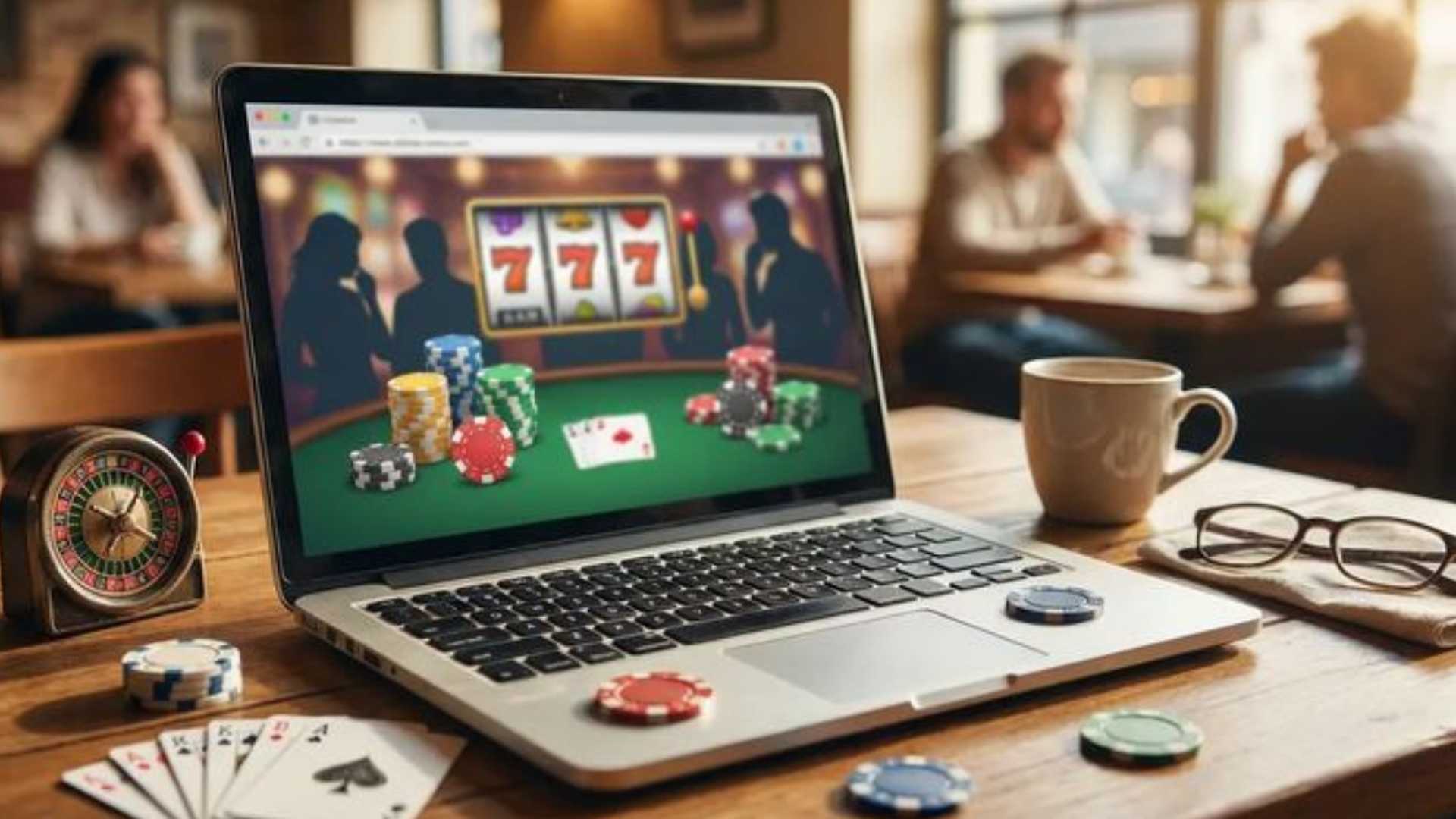
For those looking to transition these analytical skills into digital environments, finding a structured and secure platform is essential. Many strategic players utilize a secure M88 login to access premium rooms and test their calculated approaches against a wide variety of opponents. Practicing in these dynamic settings allows individuals to refine their tactical boundaries and build emotional discipline under pressure.
Cultivating Mindset Agility for Daily Life
The core principles of tactical mastery developed around the gaming table are highly transferable to professional and personal growth. Learning to view setbacks not as final defeats but as shifting board states encourages a highly resilient and proactive problem-solving mindset. This mental agility allows individuals to remain calm in complex situations and evaluate multiple pathways before acting.
Ultimately, treating table games as active workouts for the mind ensures that entertainment remains intellectually rewarding and deeply engaging. By continually challenging yourself with new mechanics and diverse opponents, you build a versatile toolkit for navigating life's unpredictable challenges. Stepping up to the table is more than a simple pastime; it is an active investment in your cognitive potential.